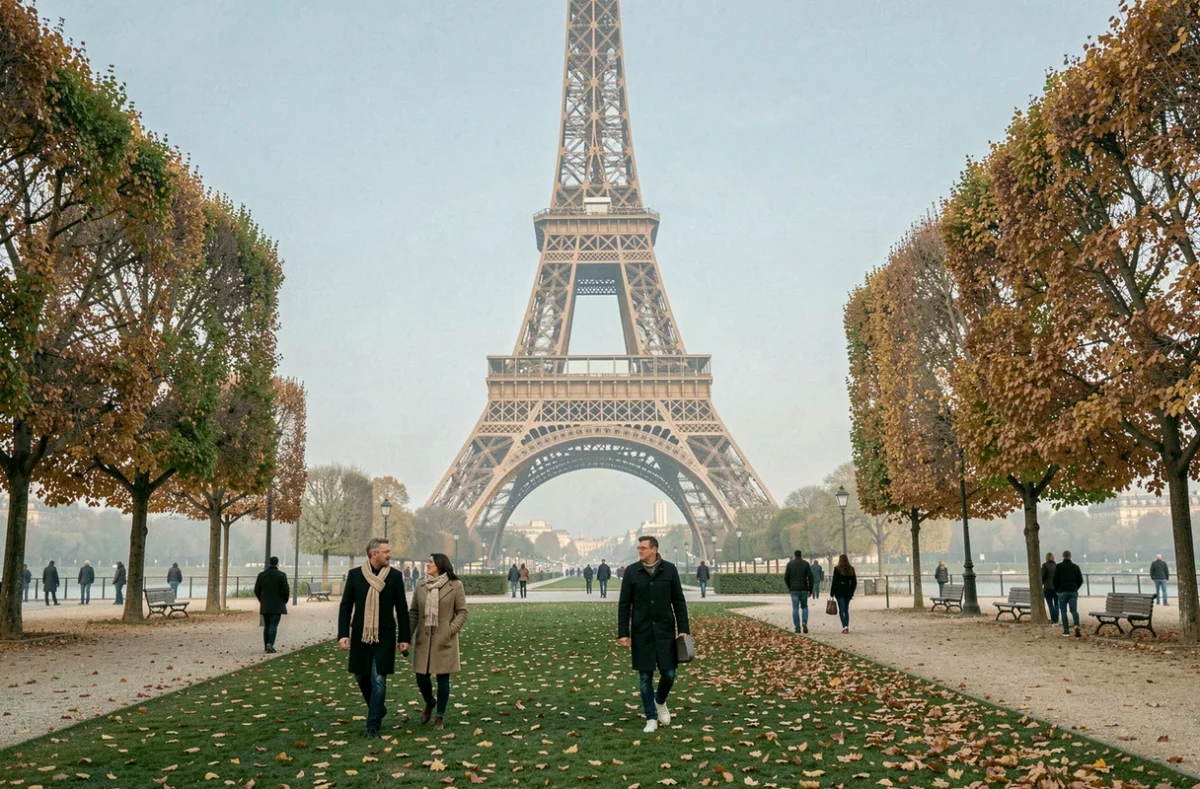
Exploring Paris on foot is first and foremost a matter of urban mobility: according to Apur and the City of Paris, 65% of journeys within Paris proper are made on foot. This figure shapes any sightseeing strategy. Walking around Paris is not a quaint choice; it is the dominant way to get around, and the one that best exposes you to the changing light, pedestrian density and architectural perspectives that define the charm of the City of Light.
Access works at Paris landmarks: check for closures before planning your visit
The “Louvre Nouvelle Renaissance” project, announced in January 2025, is reshaping access to the museum. It includes a new entrance and a dedicated space for the Mona Lisa to better manage visitor flows. The project is expected to continue through 2031, meaning recurring disruption around the Carrousel and changes to pedestrian routes around the Pyramid.
The Arc de Triomphe has also experienced periods of restricted access. Restoration work or official events can limit access to the rooftop terrace at short notice. Checking access conditions at each site before setting out is not just a routine tip: it is essential when planning a day on foot between several must-see attractions.
We recommend checking the monuments’ official websites within 48 hours of your visit.
For more information on what’s happening at Paris landmarks and their access conditions, see this useful resource: https://www.mag-paris.org.
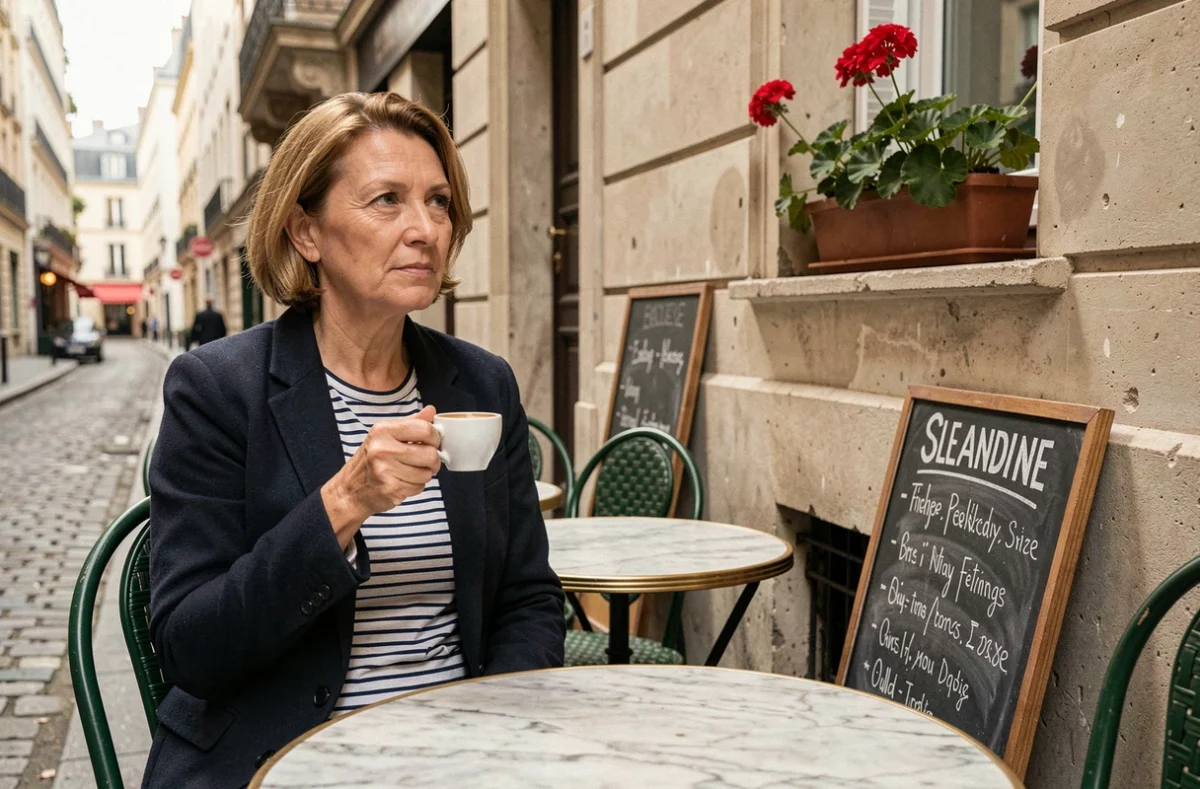
Seasonal crowds on Paris walks: when to go and where
Crowd levels on walking routes vary considerably by season. The Seine riverbanks, the Tuileries and the Marais see peak pedestrian traffic between June and September, dramatically changing the visitor experience. In the low season (November to February), these same routes are far more comfortable for walking, and the low-angle light transforms the Haussmannian façades.
Adapting your route to the season makes all the difference. Three principles work well:
- In high season, set off before 8:30 a.m. to visit major sites (Trocadéro, Île de la Cité, Montmartre), and save the afternoon for less crowded neighborhoods such as Canal Saint-Martin or Butte-aux-Cailles
- In the shoulder season (March–May, October), the Luxembourg Gardens and Palais-Royal gardens remain pleasant throughout the day without becoming overcrowded, making them ideal anchor points for a walking route
- In the low season, major tourist thoroughfares (Champs-Élysées, Boulevard Saint-Germain) become enjoyable walks again, and queues at landmarks shrink dramatically
This seasonal approach also affects which neighborhoods to choose. A visitor with three days in July will plan a different route from someone visiting in December, and traditional guidebooks often overlook this factor.
Walking routes beyond Paris’s classic tourist trails
Paris’s must-see sights are not limited to the Eiffel Tower–Louvre–Notre-Dame triangle. Most pedestrian journeys in the City of Light follow routes visitors tend to overlook—and that is where the city’s charm is most apparent.
Through the courtyards of Faubourg Saint-Antoine
The 11th arrondissement retains a network of artisan courtyards (Cour Damoye, Passage du Cheval-Blanc) that are freely accessible from Rue du Faubourg-Saint-Antoine. These open-air cobbled courtyards bear witness to the history of Parisian cabinetmakers and make for a pleasant stroll between Place de la Bastille and Rue de Charonne.
North–south along Canal Saint-Martin and Quai de Jemmapes
From Bassin de la Villette to Place de la République, Canal Saint-Martin offers a rare linear perspective in Paris’s urban landscape. The locks, metal footbridges and plane trees lining Quai de Jemmapes create a cohesive architectural sequence. In the low season, this route is almost deserted in the morning.
Olympiades esplanade and Butte-aux-Cailles
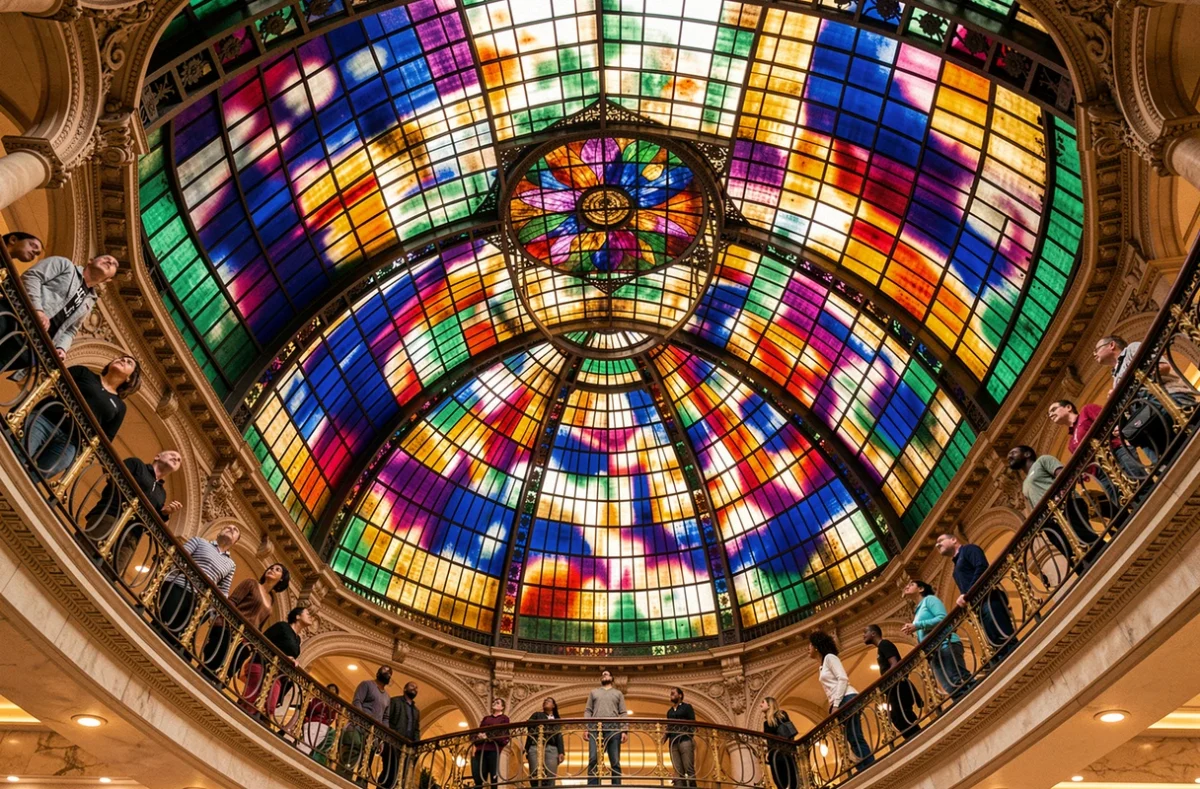
The 13th arrondissement brings together two radically different pedestrian settings within less than a kilometer. The Olympiades esplanade, with its 1970s towers and Asian shops, connects by staircase to Butte-aux-Cailles, a village-like neighborhood of low-rise houses and narrow lanes. This concentrated architectural contrast is a textbook example of Paris’s layered urban history.
Light and orientation: why the charm of Paris depends on the time of day
The nickname City of Light refers not only to street lighting or intellectual life. It also describes a quality of natural light shaped by the city’s latitude, the limestone used in its façades and the width of its Haussmannian boulevards.
The golden late-afternoon light on the limestone façades is Paris’s most distinctive visual phenomenon. The Left Bank riverbanks, Pont Alexandre III and Rue de Rivoli benefit particularly from this light thanks to their southwest-facing orientation.
Planning a walking route around the sun’s path may seem excessive. In practice, it simply means saving east–west walks for late afternoon and visiting gardens (Luxembourg Gardens, the Tuileries) around midday, when overhead light brings out their landscaped perspectives.
Exploring Paris on foot while accounting for construction work, seasonal crowds and the direction of the light turns a sightseeing trip into a way of reading the urban landscape. Paris’s charm lies less in its monuments than in how you connect them—on foot, in the right light, at the right time.