Pacifica, the insurance subsidiary of the Crédit Agricole group, manages health insurance reimbursements through a process that depends on the method of transmission of care. Understanding this process helps shorten delays and avoid unnecessary follow-ups.
Pacifica Teletransmission: The Mechanism That Determines Reimbursement Speed
The most determining factor in the speed of a Pacifica reimbursement is neither the chosen plan nor the type of care, but the method of transmitting the invoice between Social Security and the mutual insurance. This technical point is rarely detailed, even though it explains most of the delays reported by policyholders.
When a healthcare professional uses the Vitale card and the Pacifica contract is linked to the mandatory regime, the NOEMIE teletransmission automatically sends the Social Security statement to Pacifica. The policyholder does not need to do anything. The complementary reimbursement generally arrives a few days after that of Health Insurance.
Knowing how to obtain a Pacifica mutual reimbursement first relies on this verification: the NOEMIE link between your Health Insurance fund and Pacifica must be active. A move, a change of fund, or a recent subscription can break this link without the policyholder realizing it.
To check, log in to your Pacifica client area or the Crédit Agricole Ma Banque app. If your latest Social Security statements do not appear in the reimbursement history, the NOEMIE link is likely inactive. A call to Pacifica’s customer service or your primary fund is enough to restore it.
Paper Invoices and Supporting Documents: The Errors That Lengthen Delays
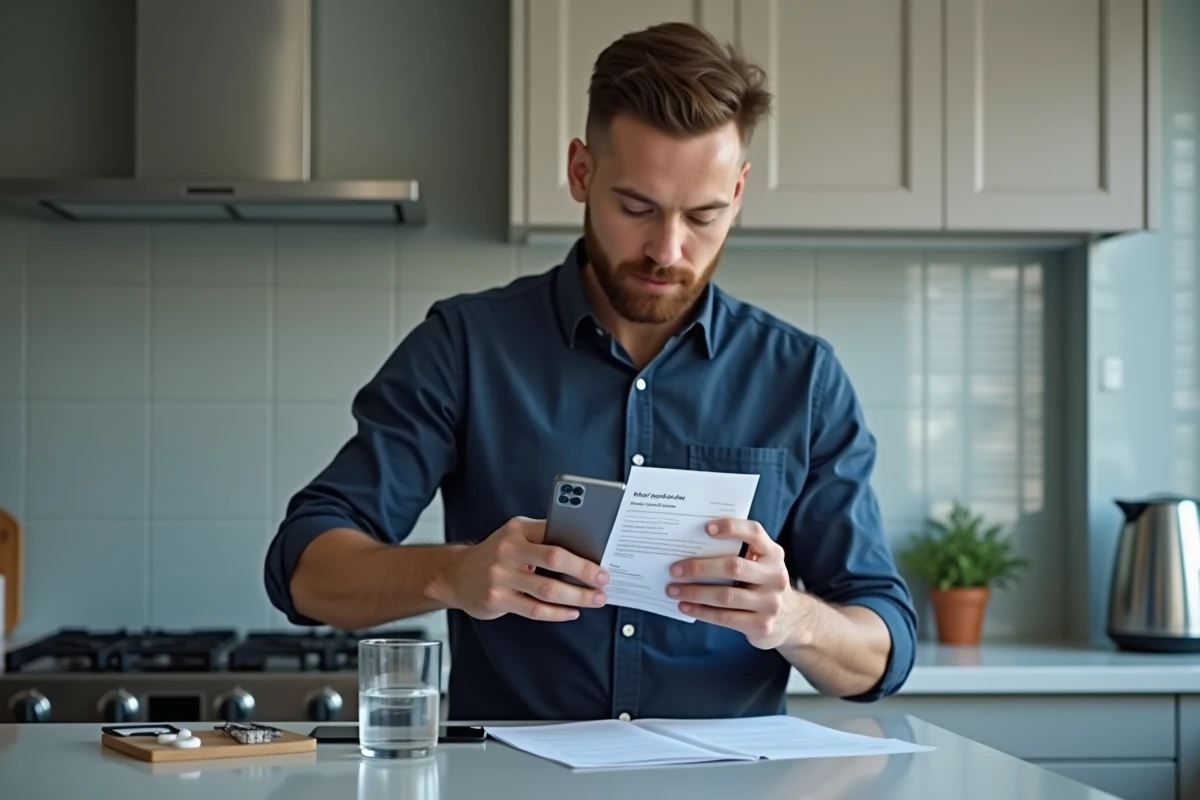
Without teletransmission, the procedure switches to manual mode. This is the case for non-contracted practitioners, care provided abroad, or situations where the Vitale card was not presented. The policyholder must then send the documents to Pacifica themselves.
An incomplete invoice is the primary cause of delays. Pacifica needs the Social Security statement (which indicates the amount reimbursed by the mandatory regime) and the paid invoice from the healthcare professional. Sending the invoice alone, without the statement, triggers a request for additional information that adds several days to processing.
The accepted sending channels are:
- The online client area or the Pacifica mobile app allow you to scan and submit documents directly, with immediate acknowledgment of receipt
- Postal sending is still possible, but the delivery time adds to the processing time, significantly lengthening the procedure
- Some Crédit Agricole agencies can receive physical documents and forward them internally
Digital submission via the app is the fastest method. Feedback from policyholders published in recent years confirms that processing a complete digital request takes less time than a paper file sent by mail.
Care Not Covered by Social Security: The Specific Process with Pacifica
Some procedures do not go through Social Security at all: osteopathy, certain alternative medicines, excess fees not reimbursed by the mandatory regime. For these items, there is no Health Insurance statement to submit.
The procedure changes. The policyholder sends the paid invoice directly to Pacifica, preferably accompanied by a medical prescription. The reimbursement then depends exclusively on the guarantees provided in the complementary contract. Each Pacifica plan sets an annual cap per type of non-covered care.
Before incurring expenses for these items, consulting the guarantee table of your contract avoids unpleasant surprises. This table is accessible from the client area, under “My Contract” or “My Guarantees”.
Check Your Guarantees Before Expensive Care
For hospitalization, dental care outside the 100% Health basket, or optical care not covered, Pacifica offers a prior estimate service. You submit the practitioner’s estimate via your client area, and Pacifica informs you of the amount covered before you incur the expense. This optional step eliminates the risk of unexpected out-of-pocket costs.

100% Health Basket and Pacifica Reimbursement: The Smoothest Process
The 100% Health system, fully operational for a few years now, covers optics, dentistry, and audiology with no out-of-pocket costs for the policyholder, provided they choose equipment from the regulated basket.
When the healthcare professional applies a 100% Health estimate and uses teletransmission, the Pacifica reimbursement is automatic and the out-of-pocket cost is zero. Feedback from policyholders confirms that this process generates the least friction and the shortest delays.
A common pitfall: accepting a mixed estimate that combines equipment from the 100% Health basket and equipment outside the basket, without having verified the coverage of the non-covered part. The non-covered portion follows the caps of your plan, and the out-of-pocket cost can then be surprising.
Pacifica Mobile App: Track and Speed Up Your Health Reimbursements
The “Pacifica – My Health” app and the Crédit Agricole “My Bank” app provide access to real-time reimbursement tracking. Three functions should be systematically used:
- Consulting the reimbursement history, which allows you to immediately spot a missing statement or a broken NOEMIE link
- Submitting supporting documents by photo, which replaces postal sending and shortens processing time
- Accessing the guarantee table and remaining caps for the current year, to anticipate coverage before each care
Regularly checking the reimbursement history in the app allows you to detect a blockage before it becomes a problem. A Social Security statement present without an associated complementary reimbursement indicates a processing incident to report to customer service.
Quick reimbursement at Pacifica relies less on a trick than on a well-set-up process: active NOEMIE link, complete documents from the first submission, and verification of guarantees before costly care. These three reflexes cover almost all situations of delays reported by policyholders.