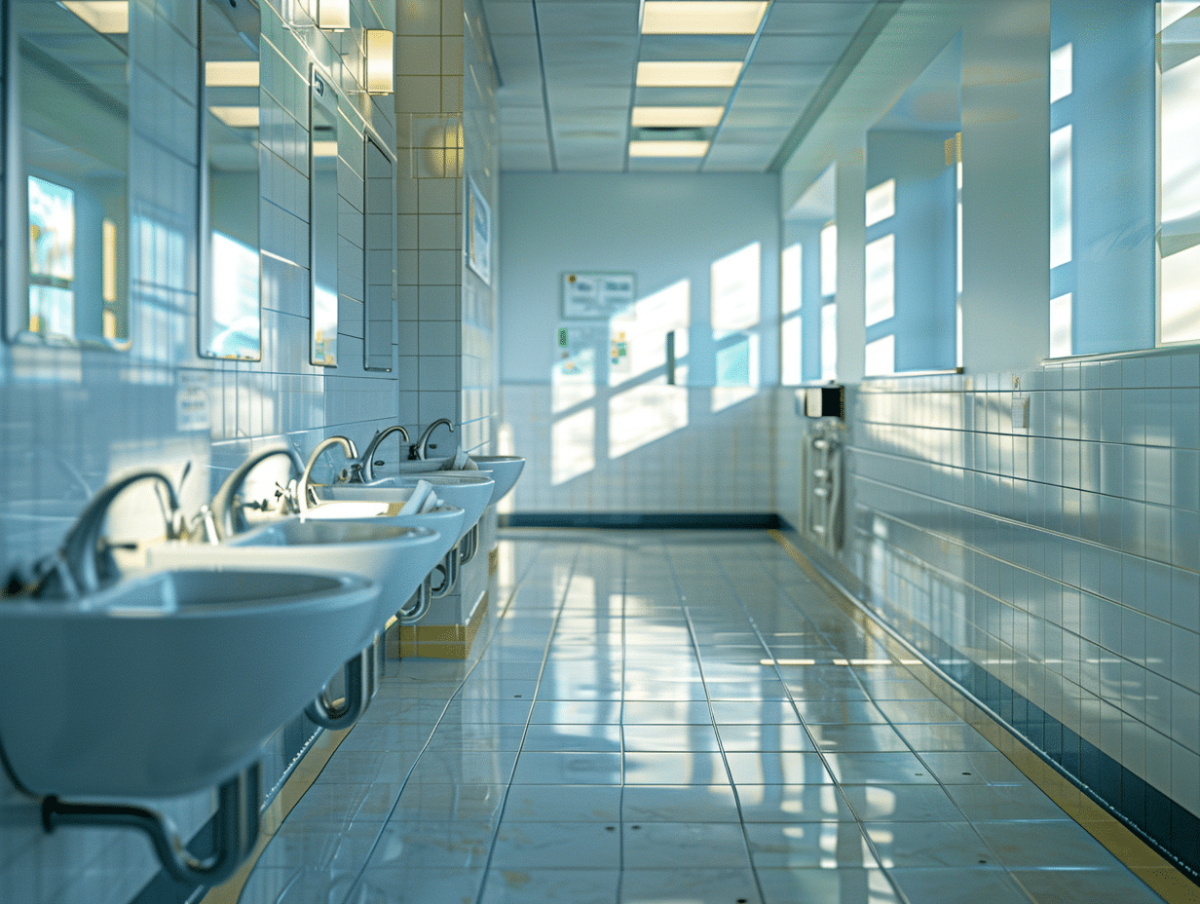
Sanitary facilities, whether public or private, are essential spaces in our daily lives. Their maintenance can sometimes pose challenges, particularly in terms of hygiene. Issues such as unpleasant odors, mold, or water leaks can quickly become sources of discomfort.
To address these, there are some simple and effective tips. Using natural cleaning products like white vinegar or baking soda can be very helpful for disinfecting and deodorizing. Regular ventilation and frequent checks of the installations can help prevent many inconveniences. These simple actions contribute to maintaining a healthy and pleasant environment.
Identifying Common Hygiene Issues in Sanitary Facilities
Sanitary facilities are places where hygiene must be rigorously maintained to avoid the spread of germs and the transmission of infections. Employees risk developing occupational diseases if these spaces are not properly maintained. Good hygiene reduces the spread of germs and slows the transmission of infections.
Common Issues
- Unpleasant odors: often caused by clogged pipes or inappropriate chemicals.
- Presence of mold: encouraged by humidity and lack of ventilation.
- Water leaks: can cause material damage and promote bacterial proliferation.
- Worms in toilets: a sign of a major sanitary issue that needs to be addressed quickly.
Impact on the Work Environment
The cleanliness of premises has a direct impact on productivity and the brand image of companies. A clean and well-maintained environment promotes employee well-being and strengthens the trust of clients and partners.
| Issue | Consequences |
|---|---|
| Deficient hygiene | Spread of germs and infections |
| Poor waste management | Increased health risks |
| Lack of ventilation | Mold and unpleasant odors |
Strict management of hygiene in sanitary facilities is essential not only for the health of employees but also for the image and efficiency of the company. Consider these aspects to quickly identify and resolve common hygiene issues.
Practical and Quick Solutions for Maintaining Clean Sanitary Facilities
Effective Cleaning Techniques
Companies must adopt rigorous cleaning techniques to ensure impeccable sanitary facilities. Use appropriate disinfection products and adhere to established protocols. Automatic dosing systems allow for optimal use of chemicals, thus reducing waste and health risks.
Waste Management
Proper waste management is fundamental to maintaining the hygiene of sanitary facilities. Ensure that trash bins are emptied regularly and that plastic bags are used to prevent leaks. European legislation imposes strict standards for waste management, ensuring a healthy work environment.
- Use of bins with lids to prevent unpleasant odors
- Selective sorting of waste to recycle reusable materials
- Regular cleaning of bins to prevent contamination
Staff Training
Training employees on good hygiene practices is essential. Regular training raises staff awareness of the importance of maintaining clean sanitary facilities. The European Social Charter recognizes the right to a healthy work environment, which includes the cleanliness of sanitary facilities.
Technological Innovations
Technological innovations play a fundamental role in improving hygiene. Eco-friendly products and automated cleaning systems contribute to more effective disinfection. Data analytics allow for real-time monitoring of the state of sanitary facilities, facilitating quick intervention in case of problems.
| Innovation | Advantage |
|---|---|
| Automatic dosing systems | Optimal use of chemicals |
| Eco-friendly products | Reduction of environmental impact |
| Data analytics | Real-time hygiene monitoring |
Companies must implement these solutions to ensure clean and hygienic sanitary facilities, thereby ensuring the health and safety of their employees.